indoor parent child activities work best when the home feels predictable, light, and easy to reset. That sounds simple, but it changes everything. When the day is long, the weather is dull, or everyone arrives home with different moods, a little structure helps the house feel like a place where play can happen instead of a place where everyone is waiting for the next screen.
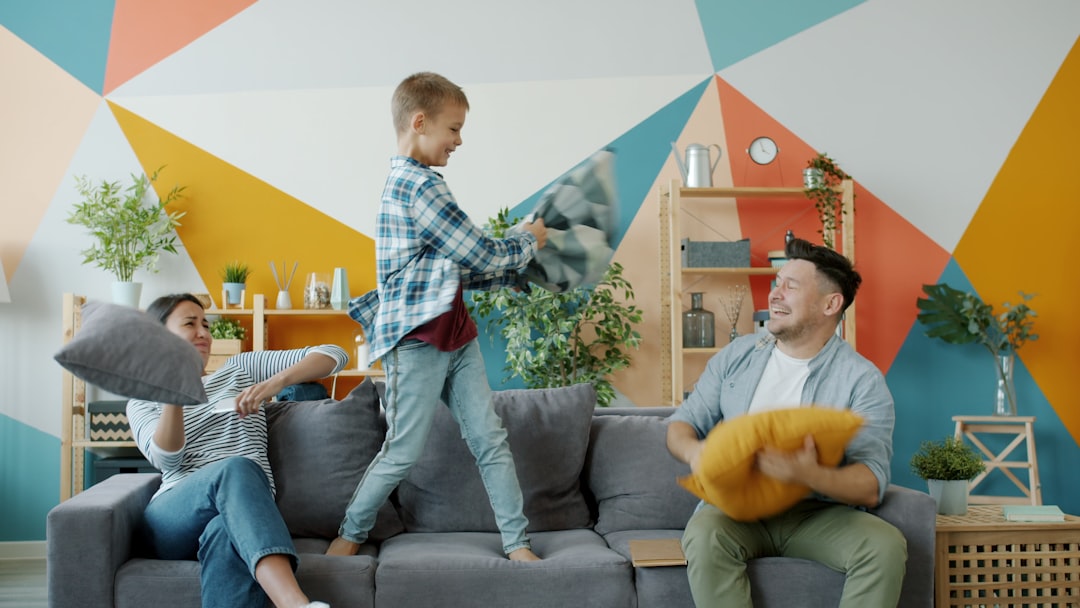
I like to think about indoor parent child activities the same way I think about a good meal plan. The point is not to make every moment impressive. The point is to make it easy to start, easy to enjoy, and easy to repeat. If you build that kind of rhythm, you stop scrambling for ideas at 4:30 p.m. and start using the home you already have.
If you want a broader list to keep nearby, I would start with more parent-child activity ideas and then narrow them down by space, energy, and cleanup time. That small filter matters more than most people expect.
Why indoor parent child activities work better with a simple rhythm
The biggest mistake I see in family play at home is the attempt to make every moment special. Special sounds nice, but it creates pressure. Once the pressure shows up, kids sense it, adults rush, and the whole thing starts to feel like a project. A simple rhythm works better because it lowers the decision cost. Everyone knows what kind of play happens after school, what kind happens before dinner, and what kind happens when the house needs to quiet down.
That rhythm also helps with emotional weather. A child who has been at school all day may come home wired, tired, or slightly off balance. A parent may be juggling messages, laundry, and dinner. If the first move is a complicated craft with ten parts, the chance of a smooth start drops fast. If the first move is a familiar, low-friction activity, the energy shifts more naturally. The home becomes easier to enter.
I also think rhythm matters because it gives children a sense of ownership. When play is random, adults control everything. When play has a pattern, children start to anticipate it. They remember that Tuesdays are for building, Thursdays are for drawing, and Sunday mornings are for slow games on the floor. That kind of expectation can calm the whole house.
So instead of asking, “What can I do with the kids today?” I find it more useful to ask, “What kind of play fits this part of the day?” That question leads to better choices. It also makes the house feel less like a puzzle and more like a system that can be used again tomorrow.
Start with the room you already have
You do not need a dedicated playroom to make indoor parent child activities work. In fact, most families do better when they stop waiting for the perfect space. The living room, kitchen table, hallway, and even one cleared corner can each serve a purpose. The trick is to assign jobs to spaces instead of trying to turn the whole house into a giant play zone.
I like to think in zones. One zone can be for movement, where a rug, cushion, or open patch of floor gives children room to hop, stretch, or build an obstacle path. Another can be for making, where crayons, paper, tape, and glue stay in one basket. A third can be for quiet play, where puzzles, books, and cards live within reach. When each space has a job, cleanup gets easier and setup gets faster.
The kitchen table is especially useful because it can handle a lot of formats. It can be a drawing station at lunch, a puzzle station after school, or a place for simple science experiments with water, spoons, and cups. If the table has to do too many jobs, the answer is usually not more stuff. The answer is fewer items in a small box that can come out and go away quickly.
Ceilings and walls matter too. A blank wall can become a gallery for artwork or a place to tape paper targets. A hallway can become a mini track for rolling balls or masking-tape roads. Even a window ledge can hold a few items that invite conversation. You are not really designing a playroom. You are making the home more usable.
That is why the room you already have is often enough. Once you see the space as flexible, you stop waiting for an ideal setup and start using what is there. That shift saves time, and it also makes play feel less fragile.
Choose activities by energy, not by age labels
Age matters, but energy matters more. A seven-year-old who is tired after a long day may need a calm activity. A four-year-old who just had a nap may need movement. A mixed-age group may need a setup that lets everyone participate in a different way. If you choose by age alone, you can miss the moment. If you choose by energy, you fit the moment better.
I find it useful to sort indoor parent child activities into three buckets.
| Energy level | What it feels like | Good examples | Best time |
|---|---|---|---|
| Low | Quiet, slow, steady | Puzzles, sticker scenes, drawing prompts, reading aloud | Before bed, after a long day, during a rain delay |
| Medium | Focused, playful, not too loud | Board games, building blocks, kitchen sorting, scavenger hunts | Late afternoon, weekend mornings, after snack time |
| High | Loud, physical, fast-moving | Indoor obstacle paths, dance breaks, balloon games, movement challenges | After being cooped up, on cold mornings, when the room feels restless |
This table is not about limiting children. It is about making a smarter match. A child who wants to move does not need a lecture about calm behavior. That child needs a way to move that still fits the house. A child who wants quiet does not need to be pushed into a high-energy game because it seems more “fun.” The better question is, what kind of attention does this moment ask for?
There is also a practical benefit here. When you know the energy level, you can prepare the room faster. You are not digging through every bin in the house. You are reaching for the category that fits. That makes the whole routine more repeatable.
A practical menu for indoor parent child activities
Once the room and energy are clear, the activity list becomes easier. I like to keep a menu instead of a single “best idea” because families are different. A child who loves building may ignore a drawing prompt. A child who loves stories may light up at pretend play and skip the ball game. Variety keeps the routine alive.
For movement
Indoor obstacle paths work well with cushions, painter’s tape, and a few toys placed at different spots. Children can crawl under a chair, step over a line, and balance on a folded blanket. Balloon volleyball is another easy option because it brings motion without heavy cleanup. A simple dance freeze game can also reset the room fast. Play music, move around, pause the music, and freeze.
For making
Drawing challenges are useful because they can be open-ended or themed. You might ask for a house on Mars, a pet with three legs, or the happiest sandwich in the world. Collage work with magazine scraps, old paper, and glue sticks can keep children busy for a long stretch. Building with cardboard boxes, paper tubes, and tape invites problem-solving without needing expensive materials.
For quiet focus
Simple board games, card sorting, matching games, and story-building prompts can slow the room down. A child can pull three objects from a basket and make up a story that connects them. A puzzle can become a shared task where one person sorts edges and another works on colors. Reading aloud works especially well when the adult changes voices just enough to keep attention, but not so much that it turns into a performance.
For pretend play
Pretend kitchens, pet hospitals, grocery stores, and space missions all give children a role to play. The beauty of pretend play is that the props can be minimal. A box becomes a shop counter. A spoon becomes a microphone. A blanket becomes a cave. The fewer the rules, the more room there is for imagination.
What matters most is not the category itself. It is the ease of entry. If an activity can be started in two minutes, it gets used more often. If it needs a long explanation, it tends to sit on the shelf.
How to mix movement, quiet, and creativity without losing the room
A lot of families run into the same problem. They pick one kind of activity and then wonder why the whole evening feels off. Too much movement can leave everyone overstimulated. Too much quiet can make the house feel flat. Too much creativity without a structure can leave behind a mess that nobody wanted to clean up. A better approach is to mix the modes in a sequence that respects the day.
One helpful pattern is to start with movement, shift into making, and end with quiet. For example, a child might begin with a short obstacle route, then move to a drawing or building task, then settle into a puzzle or story. That arc gives energy a place to go. It also avoids the feeling that everyone has to sit still before they are ready.
Another useful pattern is the opposite. Some children need a calm start after school or after a crowded outing. In that case, begin with a puzzle, reading, or sorting task, then move into a building activity, then finish with a short burst of action like balloon batting or a dance break. The order matters because energy changes faster when the transition feels natural.
Timing also helps. I like shorter sessions than many families expect. Ten minutes can be enough for a movement burst. Fifteen to twenty minutes can be enough for a drawing or building task. If the activity is working, let it continue. If attention starts to wander, stop while the mood is still good. That keeps the next round easier to begin.
If you are managing several children, you can also assign a lead role to one and a support role to another. One child might choose the music, another might place the tape markers, and another might decide the final step. This keeps people involved without making everyone do the same thing at the same time.
What to do when siblings are different ages
Different ages do not have to be a barrier. They just need different jobs. I have seen many families assume that one child will be left out, but that usually happens when the activity is too narrow. If you build with enough flexibility, each child can find a point of entry.
For younger children, simple actions work best. Carrying, sorting, stacking, matching, and pointing often feel meaningful because they are concrete. Older children usually want more agency. They like rules, choices, and a little control over the outcome. That means a good mixed-age activity has to allow both direct action and decision-making.
A scavenger hunt can do this well. The younger child might search for colors or shapes. The older child might read the clues or hide the objects. A building challenge can also work. One child gathers pieces, another designs the structure, and another tests whether the bridge or tower stands. Everyone contributes, but not in the same way.
Parallel play is also underused. Children do not have to be doing the exact same thing to share a room well. One child can draw while another builds, as long as the materials and boundaries are clear. That setup can be calmer than forcing constant collaboration. In some homes, shared play goes better when each child has a smaller task that sits beside the other task.
When moods clash, the answer is often role assignment. The child who is energetic can be the runner, helper, or music chooser. The child who is quieter can be the sorter, builder, or story teller. When each person has a useful role, the room feels less chaotic and more cooperative.
A weekly rotation that keeps the ideas fresh
Novelty is useful, but too much novelty becomes work. A weekly rotation gives you the benefit of fresh ideas without making every evening feel like a reset. I like a simple plan that repeats with a few small changes.
For example, you could use a four-part rotation.
- Monday for movement after the start-of-week drag
- Wednesday for a making activity that uses the kitchen table
- Friday for a game or story night
- Weekend morning for a longer mixed activity
That pattern does a few useful things. It creates anticipation. It spreads out cleanup-heavy activities. It gives children a memory map of the week. And it keeps adults from feeling like they need a brand-new plan every day.
You can also rotate by mood. One week may lean physical, the next may lean creative, and the next may lean quiet. The categories stay the same, but the specific activity changes. That keeps the household from getting bored with the same puzzle or the same tape course.
Maintenance matters here. Every week or two, I recommend a short reset. Put broken crayons in one container. Toss missing puzzle boxes. Move out toys that no longer get used. Restock tape, paper, markers, and any small materials that vanish quickly. If the activity shelf gets messy, the plan gets slower. If the shelf stays tidy, starting stays easy.
What to keep in the house so play starts fast
Fast-start play depends on what is already within reach. If every activity requires a search, the chance of using it drops. I prefer a small set of supplies that cover many uses instead of a large collection that creates clutter.
A useful starter kit might include paper, crayons, washable markers, tape, scissors, glue sticks, sticky notes, painter’s tape, a few envelopes, building blocks, a deck of cards, and one or two small puzzles. Add a basket for loose items and a container for reusable craft scraps. That is enough to support a wide range of play without taking over the house.
It helps to store supplies by use rather than by category. Keep “floor play” items together. Keep “table play” items together. Keep “quiet play” items together. That way, if the family has ten minutes before dinner, you know exactly where to look.
I also like having a “rainy day box.” It can hold the things that work when nobody wants to think too hard. A simple board game, a stack of cards, a roll of tape, drawing paper, a picture book, and one surprise item are enough. The box is not for the best activity. It is for the activity that gets used.
One more thing matters here. Keep a small list of ideas inside the box. When adults are tired, memory gets fuzzy. A list can remind you that the kit is enough. It can also help older children choose for themselves instead of waiting for a grown-up to invent the whole plan.
When the plan falls apart
It will fall apart sometimes. That is normal. Someone gets hungry. Someone gets tired. Someone refuses the activity they asked for ten minutes earlier. The room gets noisy. The adult loses patience. The problem is not the fact that the plan slipped. The problem is treating the slip as a failure instead of a cue to adjust.
When the mood changes, I find it helps to downshift quickly. If the original activity was loud, move to something quieter. If the room was quiet and the energy is now rising, add a short movement break. If the child is done with the whole idea, do not force a rescue. Pick a smaller next step and rebuild from there.
Sometimes the best reset is not another activity at all. It is water, a snack, a stretch, or a change of room. A quick reset can turn a collapsing evening into a usable one. Adults often overestimate how much entertainment is needed and underestimate how much a small pause helps.
It is also useful to have a few phrases ready for rough moments. “We are going to make this smaller.” “Let’s choose the quiet version.” “We can try again tomorrow.” These are not magic lines. They are ways of keeping the conversation calm while the plan changes.
When the activity is clearly not working, end it cleanly. Put materials away. Name one thing that did go well. Then move on. That simple close leaves the door open for the next attempt instead of making the whole idea feel heavy.
Turn indoor parent child activities into family memory, not just filler
The most useful thing about indoor parent child activities is that they can become part of the family story. A taped path in the hallway, a silly drawing game at the table, or a weekly story night may sound ordinary in the moment. Later, those are the things children remember. Not because they were elaborate, but because they were shared.
That is why I like to keep a few signs of play visible. A drawing pinned to the fridge. A tower left standing for a day. A list of a child’s favorite game ideas tucked into a drawer. These small traces tell children that what they made mattered enough to stay around for a bit.
You can also build rituals around the activities. Maybe Saturday morning always starts with one movement game and one quiet game. Maybe a rainy afternoon always means the rainy day box comes out. Maybe each child gets one turn to choose the family game every week. Rituals turn random play into something children can count on.
Over time, the goal is not to become a house with endless activities. The goal is to become a house where connection is easy to start. When that happens, the games themselves matter less than the feeling they create. The house feels lived in. The children feel seen. The adults feel less like managers and more like participants.
That is the real value of a good indoor routine. It does not just fill time. It shapes the mood of the home in a way that children can feel, remember, and return to.