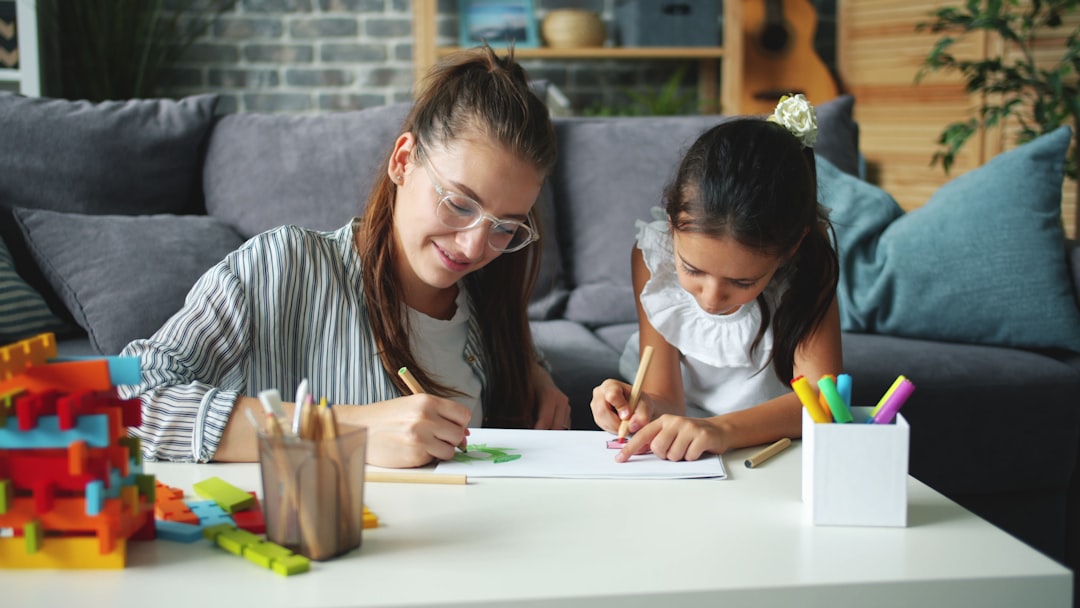
This guide uses indoor activities for kids as the starting point for the practical advice below. Indoor activities for kids can rescue an ordinary afternoon when rain, heat, travel, or a packed family schedule keeps everyone at home. The best ideas do not require a shopping trip or a perfectly tidy house. They give children something meaningful to do while giving adults a realistic way to join, step back, or guide the activity without turning it into another chore.
A useful family activity has three parts. It is simple enough to begin quickly, flexible enough for different ages, and open-ended enough that children can make choices. That last part matters. A craft with one correct finished product may occupy a child for ten minutes. A blanket fort, homemade café, or cardboard town can grow for an hour because the child keeps adding rules, stories, and small improvements.
This guide focuses on activities that work in real homes. Some are quiet, some are active, and some create a little mess. Each idea includes preparation notes, age adjustments, conversation prompts, and ways to keep the activity useful after the first attempt. For more family routines and play ideas, visit our parent-child activities collection.
indoor activities for kids: Indoor activities for kids that begin with what you already have
Before choosing a project, look around the room. A few cushions can become a campsite. A cardboard box can become a delivery truck, puppet theater, pet clinic, or grocery store. Paper, tape, socks, plastic cups, books, and kitchen utensils can support dozens of games. Limiting materials often improves play because children spend less time choosing and more time inventing.
Try a five-minute invitation. Put three safe objects on the floor, such as a cardboard tube, a scarf, and a wooden spoon. Ask, “What could these become?” Do not demonstrate an answer immediately. Children may create a fishing rod, a flagpole, a microphone, or a machine for feeding imaginary dragons. The point is not the object itself. The point is moving from passive entertainment to active thinking.
Adults can make the beginning easier by setting out materials in a basket and clearing a small work area. Avoid presenting ten options at once. Two or three choices are enough. If a child says, “I do not know what to do,” offer a starting challenge instead of a complete plan. Examples include building something that can hold a book, designing a home for a toy, or making a path from one side of the room to the other.
- Use soft materials for younger children and avoid small loose parts for children who still put objects in their mouths.
- Place a washable mat or old sheet under painting, water play, and sensory projects.
- Keep a “use again” box for clean packaging, fabric scraps, paper bags, and ribbon.
- Stop while children are still enjoying the activity, then store the project where they can return to it.
Build a blanket fort with a purpose
A blanket fort becomes more interesting when it has a reason to exist. Let children choose whether it is a reading cabin, weather station, animal rescue center, spaceship, or quiet café. The theme gives the structure direction without limiting the story. One child may want to design the entrance while another organizes supplies inside.
Use sturdy furniture only when an adult has checked that it will not tip or slide. Drape blankets over the backs of sofas or low tables rather than creating unstable towers. Leave a clear opening for air and an easy exit. Keep lamps, heaters, candles, and charging cables away from the fort. A flashlight or battery lantern can add atmosphere without creating a heat source.
Once the fort is standing, add a mission. The reading cabin needs a library card system. The weather station needs a daily forecast. The rescue center needs intake forms for stuffed animals. These details invite writing, counting, sorting, and storytelling without making the activity feel like a lesson. Older children can make a map, create a schedule, or invent a set of rules for visitors.
When energy drops, move into a quieter phase. Read a book inside, tell a family story, listen for sounds outside, or draw the fort from different viewpoints. A simple cleanup signal helps. Take one photograph, choose one part to save, and return cushions and blankets together. The fort can then be rebuilt another day with a new purpose.
Turn the kitchen into a small science lab
Kitchen experiments work well because they use familiar materials and produce visible changes. Keep the activity low-risk and supervise closely. Children can investigate which objects float, how ice changes in different places, or what happens when water moves through paper towels. The adult’s job is to ask questions and handle anything hot, sharp, or difficult to clean.
For a color-walking experiment, place three cups in a row. Fill the outside cups with water and a little washable food coloring, then leave the middle cup empty. Fold paper towels into strips and place one end in each full cup and the other end in the empty cup. Children can draw what they think will happen before checking later. The paper towel absorbs water and the water travels upward and across the gap. The exact speed may vary with the towel and the room temperature, so present it as an observation rather than a promised result.
A floating and sinking tray works for children who enjoy sorting. Gather a bowl of water and several large household objects that will not be damaged by water. Ask the child to predict where each item belongs, then test it. Avoid turning the activity into a quiz. Ask what surprised them, whether shape matters, and how they might change one object so it floats. Older children can record the object, prediction, result, and explanation in a table.
Another simple project uses ice cubes. Place one cube on a plate, one in a cup, and one wrapped in a cloth. Check them every few minutes and describe the differences. Children learn to notice time, temperature, surface area, and materials. If you want to extend the conversation, ask them to design a container that keeps an ice cube solid for as long as possible. Use towels for spills and make the cleanup part of the experiment.
Create an indoor movement circuit
Children often need movement before they can settle into drawing or reading. An indoor circuit gives that energy a clear path. Use floor cushions, painter’s tape, rolled towels, and empty boxes. A route might include stepping over a line, crawling under a chair, carrying a soft toy to a basket, balancing along tape, and tossing socks into a laundry basket.
Make the route adjustable. Younger children may complete three stations with an adult nearby. Older children can design the circuit, write station cards, or time themselves without turning every round into a race. If siblings have different abilities, offer choices at each station. A child might walk around the marker, step over it, or move a toy around it. The goal is controlled movement and problem solving, not a single athletic standard.
Safety depends on the room. Move sharp-edged objects, secure rugs, close doors to areas with breakable items, and keep the path away from stairs. Do not use furniture that is meant for climbing unless it is specifically designed and supervised for that use. Ask children to walk through the course once before moving quickly. That first slow round often reveals a loose cushion or narrow turn.
To add imagination, turn the circuit into a delivery mission, jungle trail, moon walk, or animal movement course. Children can choose a sound for each station or carry a pretend package. Finish with two minutes of slow breathing and stretching. A clear ending helps the household return to normal instead of carrying the excitement into the next activity.
Make a family story machine
Storytelling does not require strong reading skills. Put picture cards, household objects, or small toys in a bowl. Each person chooses one item and adds it to a shared story. The first person decides where the story begins. The next person introduces a problem. Someone else finds a possible solution. The story can be silly, mysterious, or ordinary.
Adults should avoid correcting every detail. If a child says the dog lives on the moon, accept the world they are building and ask a useful question. What does the dog eat there? How does it get home? Who notices it first? Questions keep the story moving while letting the child remain the author.
For younger children, use three objects and keep the story short. Ask them to choose a character, place, and action. For school-age children, add a beginning, middle, and ending card. Older children can write dialogue, create a cover, or record the story as a short family radio program. They might also retell the same event from two characters’ viewpoints, which encourages attention to feelings and motives.
A story machine can become a weekly ritual. Keep the objects in a jar and add a new item after each session. Do not worry about polished writing. The value lies in listening, taking turns, remembering details, and discovering that a blank page can become a place for decisions.
Set up a pretend shop, café, or repair desk
Pretend businesses combine imagination with practical skills. A café can use paper menus, empty food containers, cups, and a notepad. A shop can use books, toys, and homemade price tags. A repair desk can “fix” stuffed animals with fabric scraps and paper forms. The objects do not need to look realistic. Children understand the shared idea when adults play along.
Let children decide what the business sells and how customers behave. If they want to use numbers, give them a simple budget with whole numbers. If they are practicing reading, ask them to label shelves or write receipts. If writing is frustrating, offer picture menus or let the child dictate while the adult writes. The activity should support communication rather than become a handwriting test.
Switch roles after a few minutes. The child who runs the café can become the customer. The adult can make a mildly unusual request, such as a meal for a tired explorer or a repair for a toy that is afraid of buttons. This creates a reason to negotiate and solve a problem. Siblings can collaborate on stock, advertising, and customer service.
Keep pretend money simple and avoid using real payment details or personal information. When the game ends, sort the materials into categories and decide which signs or menus can be saved. The next session can introduce a new challenge, such as a busy lunchtime, a missing item, or a customer who needs a custom order.
Use art prompts instead of copying a model
Many children say they cannot draw when they are shown a blank sheet. A prompt gives them somewhere to start without demanding a particular result. Try “draw a room for a very small person,” “design a creature that is afraid of rain,” or “make a map of a place that does not exist.” There is no correct picture, so children can focus on choices rather than comparison.
Offer a limited palette or unusual tool. Use only two colors, draw with the non-dominant hand, make a picture from circles, or cut paper shapes and arrange them before gluing. These constraints can make art feel like a game. They also help children notice line, texture, size, and placement.
Adults can participate by making their own picture. Do not produce a polished example first, because children may assume they are expected to copy it. Share your decisions out loud instead. “I need this character to look surprised, so I am giving it very large eyes.” That kind of thinking shows that drawing is a process rather than a talent test.
Create a small gallery at the end. Ask the artist to title the work and explain one detail. Family members can leave questions on sticky notes, but comments should stay specific and kind. “I noticed the tiny door near the tree” gives the child a real observation. Displaying work for a few days helps children see that their ideas belong in the home.
Play board games with flexible rules
Board games can build patience, counting, planning, and conversation, but a game that is too difficult may create more conflict than connection. Choose a game that matches the youngest player’s attention span, then adjust the rules if needed. A shorter version is often better than pushing through a full game after everyone has become tired.
Before starting, explain the goal in one or two sentences. Let children handle the pieces and demonstrate one turn. If reading is still developing, use picture cards or read cards aloud. For a child who dislikes losing, cooperate against a timer or shared challenge instead of assigning a single winner. Cooperative play still includes decisions and suspense while reducing the pressure of comparison.
House rules should be stated before the first turn. Will players trade resources? Can a player ask for help? What happens if someone makes an accidental move? Calmly agreeing on these details prevents many arguments. If a disagreement appears, pause the game and describe the problem without assigning blame. Older children can propose two solutions and choose one for the next round.
Do not use every game as a lesson about sportsmanship. Sometimes the best family choice is to stop, laugh at a strange move, and save the rest for tomorrow. Put pieces back in a labeled bag or small box. Missing pieces are less likely when children know where the game lives and help with the reset.
Plan a quiet afternoon rotation
Some days children need several short activities rather than one large project. A rotation can include ten minutes of reading, fifteen minutes of building, a snack, a movement break, and a choice period. Write the sequence with words or simple drawings and place it where children can see it. Predictability reduces repeated questions and helps children practice moving from one activity to another.
Keep the rotation realistic. Four activities are enough. If a child is deeply engaged in building, allow extra time and shift the schedule rather than interrupting automatically. The plan is a support, not a command. Children can choose between two options during the choice period, such as puzzles or drawing.
Use a timer only when it helps. A loud alarm may startle some children, while a visual timer or a gentle verbal warning may work better. Give notice before changing activities. “Five minutes left, then we will put the blocks in the basket” is clearer than suddenly ending the play.
At the end of the afternoon, ask one practical question. Which activity should we keep ready for another day? Which material needs repair or replacing? This turns children into partners in managing the home. It also gives adults useful information about what genuinely holds attention instead of relying on assumptions.
Adjust activities for age, temperament, and energy
Age guides can help, but they are not a complete plan. Two children of the same age may have very different comfort levels with noise, fine-motor work, competition, or open-ended play. Watch how a child approaches the activity. Do they need a clear first step, more time, a quieter space, or a chance to move before beginning?
For toddlers and preschoolers, shorten the activity and use large, safe materials. Repeat the same play many times. They may enjoy filling and emptying containers, matching colors, pretending to cook, or building a short road for toy vehicles. Stay close and keep the language simple.
Early school-age children often enjoy missions, collections, and visible progress. They can make signs, sort objects, draw maps, follow a simple recipe with help, and invent rules. Give them choices, but do not hand over every decision. A useful balance is one adult-set boundary and several child-controlled details.
Older children may resist activities that sound too young. Give them a real role. They can design an escape-room puzzle, plan a family menu, teach a younger sibling a game, create a stop-motion story with paper figures, or redesign the movement circuit. Responsibility can make familiar materials feel new.
Temperament matters just as much. A social child may want a pretend shop. A cautious child may prefer to plan before performing. A highly active child may need movement built into a craft session. A child who becomes frustrated quickly may benefit from projects with several small endings rather than one final product. Adapt the invitation without labeling the child as difficult.
Keep the household calm during creative play
Parent-child activities work better when adults set boundaries before the mess begins. Tell children which materials are available, where the activity can happen, and what needs to be cleaned afterward. A clear limit feels less personal than correcting the same behavior repeatedly.
Separate washable and non-washable materials. Use old shirts for paint, trays for small pieces, and a container for scraps. Keep scissors, hot liquids, tools, and small parts with an adult when appropriate. Check homemade play spaces for blocked exits, unstable furniture, and objects that could create a fall.
Do not aim for a spotless room while children are exploring. Aim for a contained mess and a known reset. Five minutes of cleanup can become part of the routine. Play a short song, assign each person one category, and take a final look at the floor. If cleanup regularly takes longer than the activity, reduce the materials next time.
Adults also need permission to participate imperfectly. You may not enjoy every game, and children may not enjoy every idea you prepare. That is normal. Try a smaller version, change the role, or end the activity without presenting it as a failure. The relationship matters more than completing the plan.
Build a reusable family activity kit
A small activity kit saves time on busy days. Use one box or basket with paper, crayons, washable tape, child-safe scissors, glue sticks, index cards, string, cardboard, envelopes, and a few clean containers. Add a deck of cards, dice, a magnifying glass, or a small notebook if your children use them safely.
Keep the kit visible enough to remember but not so accessible that every item is scattered daily. Store special materials separately and bring them out for planned projects. Rotate a few items each month. A familiar box feels new when it contains a paper-bag puppet kit one week and a map-making kit the next.
Prepare prompt cards for days when nobody has an idea. Write one challenge per card. “Build a bridge for a toy,” “invent a two-person game,” “make a home for an imaginary animal,” and “design a vehicle for a rainy city” are enough. Avoid writing complicated instructions. The card should spark a direction, not manage every step.
Check the kit after use. Throw away sharp, dirty, or damaged pieces. Recycle materials that are no longer useful. Ask children to suggest one item for the next version of the kit. This gives them ownership and teaches that creative resources need care.
Notice what made the activity successful
A successful activity is not measured only by how long children stayed busy. Notice whether they made choices, solved a problem, communicated an idea, or returned to the project later. A ten-minute game that creates a warm conversation may be more valuable than an hour of distracted activity.
Afterward, ask a few low-pressure questions. What part would you change? What should we try next time? Was it better alone or with someone? These questions help children name preferences and help adults refine future plans. If the child does not want to talk, accept a drawing, gesture, or simple rating instead.
Keep a short list of activities that worked in your home. Record the materials, approximate age range, setup time, and energy level. Over time, you will have your own family play menu. Include activities for rainy mornings, high-energy afternoons, quiet evenings, sibling cooperation, and one-on-one time.
The strongest routines are not elaborate. They make room for children to lead while adults provide safety, attention, and a manageable frame. When a cardboard box becomes a train station or a kitchen table becomes a map room, the home has already supplied most of what the family needs. The next idea can begin with one object, one question, and enough time for a child to take the story somewhere unexpected.