When you ask how to choose a sofa, you’re really asking how to balance comfort, space, materials, style, and money without regretting the decision six months later. The good news is that there’s a clear, practical path to follow, and you don’t need a design degree to make a confident choice. You do need a tape measure, clarity about your room and lifestyle, and a few technical basics that separate long‑lasting sofas from disposable ones.
Think of the sofa as the anchor of your living room. It frames conversations, weekend naps, movie nights, and holiday gatherings. The right one fits your room’s scale, supports your back and posture, holds up to daily wear, and looks like it belongs with your floors, walls, rugs, and lighting. The wrong one feels too deep or too shallow, overwhelms the space, pills and sags, or becomes a magnet for stains and pet hair. This guide lays out practical steps, checklists, and examples so you can pick wisely the first time.
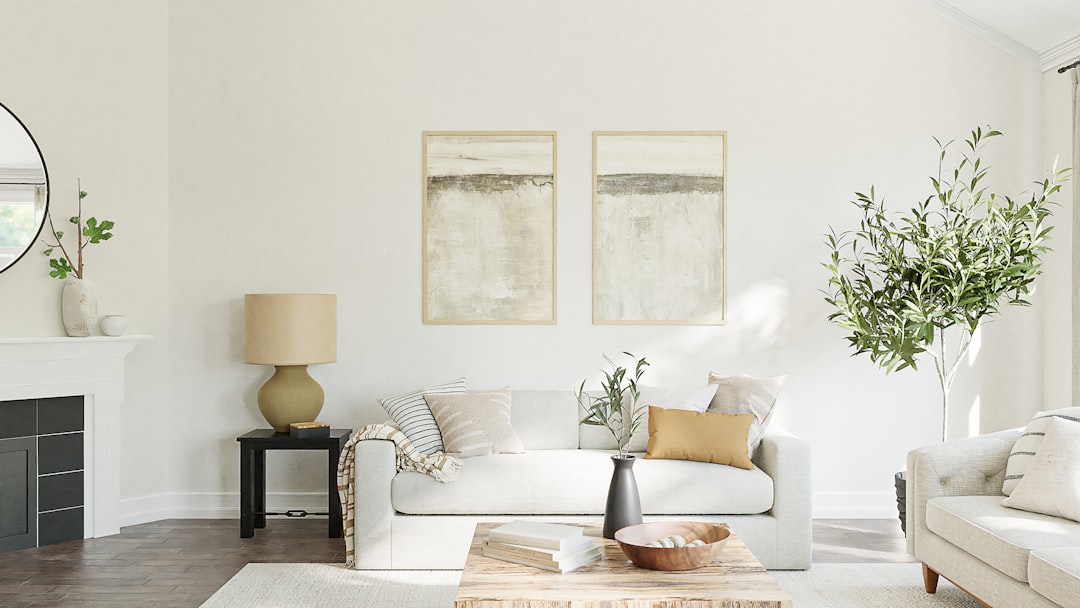
how to choose a sofa: quick decision path
Use this fast path to go from “no idea” to a short list of strong options. Each step links to deeper guidance later in the article.
- Measure the room: length, width, ceiling height, and key distances between doors, windows, radiators, and outlets. Sketch the layout with door swings.
- Map traffic flow: leave comfortable pathways around the sofa and between key destinations like TV, balcony, kitchen, and hallway.
- Define seating needs: regular household size, frequent guests, pets, and whether you need a sleeper or chaise for lounging.
- Pick a configuration: loveseat, three‑seater, chaise, L‑shaped sectional, U‑shaped sectional, or modular pieces that can reconfigure.
- Prioritize durability: frame (kiln‑dried hardwood or engineered hardwood), suspension (springs or high‑quality webbing), and cushion cores (high‑density foam or spring core with fiber wrap).
- Choose fabric or leather for your lifestyle: performance fabrics for kids and pets, slipcovers for easy washing, or leather for patina and simple wipe‑downs.
- Select color and style: harmonize with existing floors, rugs, and trim; decide on arm style, leg height, and back cushion type.
- Comfort test (or simulate online): seat depth, seat height, back height, cushion firmness, and pitch angle.
- Budget and policies: set a range, compare construction at that tier, check delivery/returns/warranty, and confirm lead time.
- Measure delivery path: stairwells, elevators, door widths, and turns. Confirm packaged dimensions and whether legs or arms detach.
Finish with a shortlist of two or three candidates that fit space, comfort, durability, and budget. Then compare details like fabric cleanability, frame joinery, and suspension—features that separate sofas that last from ones that tire quickly.
Measuring your room: clearance, pathways, and scale rules
Before you fall in love with a style, pin down the numbers. A sofa that’s proportionally right will make everything else in your living room easier: coffee table placement, side tables, lamps, and media unit depth. Start by measuring the room length and width in one continuous sketch, noting built‑ins, radiators, vents, and windows. Add door swings and the path you walk most from door to window, to the kitchen, or to the hallway. Your goal is to avoid a sofa that squeezes pathways or blocks access to outlets and windows.
Clearance guidelines are straightforward. Aim for at least 30–36 inches (76–91 cm) of walkway around the sofa where people pass frequently. If the sofa backs to a wall, leave about 2–6 inches (5–15 cm) so curtains can hang and outlets remain usable. Between sofa and coffee table, 14–18 inches (36–46 cm) keeps drinks in reach without knee bumps. The coffee table width should be roughly two‑thirds the length of the sofa for visual balance and function.
Scale matters. A simple rule is to choose a sofa whose overall length is about two‑thirds the length of the wall it sits against. That keeps the piece substantial but not overpowering. If your room is long and narrow, prioritize depth (front‑to‑back) under 38 inches (96 cm) so you don’t crowd pathways. In a square room, a sofa up to 42 inches (107 cm) deep can feel inviting if pathways remain open.
Don’t forget the delivery path. Measure front door width and height, hallway widths, ceiling heights at landings, and any tight corners. Compare your path measurements to the packaged dimensions the retailer provides. Many legs detach, and some arms are removable; confirming this early can save surprises on delivery day.
Sofa sizes and configurations: 2‑seat, 3‑seat, sectionals, and modular
Configuration is about how you use the room day to day. Two‑seaters (loveseats) typically run 60–72 inches (152–183 cm) long, 3‑seaters about 78–90 inches (198–229 cm), and apartment‑size sofas 70–80 inches (178–203 cm) with slimmer arms and shallower depth. These work well in classic living rooms or small apartments where pathways are precious. If you lounge often, consider a chaise or L‑shaped sectional; the chaise acts like a built‑in ottoman.
Sectionals excel in open‑plan spaces, media rooms, or households that like to sprawl. L‑shapes come with left‑ or right‑hand chaises; pick based on your room’s traffic flow and views. Place painter’s tape on the floor to outline an L or U shape and walk the space. If you feel squeezed, scale down or choose a standard sofa plus an ottoman you can shift when guests arrive. U‑shaped sectionals seat more people but require larger rooms and careful coffee table placement—nested tables or a large square ottoman often work best.
Modular sofas offer flexibility: armless seats, corners, and ottomans click together so you can reconfigure as life changes. They’re helpful for tight stairwells and small elevators because pieces arrive separately. The trade‑off can be more visible seams and cushions that migrate. If you prefer a clean, tailored look, a fixed‑frame sofa with a single bench seat may appeal more.
Seat dimensions guide comfort. Typical seat depth ranges from 20–24 inches (51–61 cm). Shorter people or upright sitters may prefer 20–21 inches, while taller folks and loungers often like 23–24 inches or a chaise. Seat height commonly falls between 17–19 inches (43–48 cm), with 18 inches being a versatile middle ground. Back height (measured from floor to top of back) around 32–40 inches (81–102 cm) affects support and how prominent the sofa looks in the room.
Frames, suspension, and cushions: what makes a sofa last
When two sofas look similar, construction hides in the details. A well‑built frame resists racking, wobbling, and creaking over time. Kiln‑dried hardwood (like maple, beech, or oak) and quality engineered hardwood (plywood rated for furniture) are common in durable frames. Look for corner blocks that are glued and screwed, not just stapled; those triangular reinforcements at the corners prevent twisting. Lightweight frames can feel fine for a while but often loosen at joints sooner.
Suspension keeps you from sinking to the floor. Sinuous springs (S‑shaped steel wires running front to back) are reliable when spaced properly and clipped to the frame; eight‑way hand‑tied coil systems are a traditional high‑end option with a springy, even ride; high‑tenacity webbing (often rubberized) can be good when dense and securely anchored. Listen for squeaks and feel for uneven support when you sit—those are early signs of poor suspension or loose clips.
Cushion cores shape comfort and how the sofa ages. High‑density polyurethane foam (look for densities around 1.8–2.5 lb/ft³ or higher) provides supportive structure. Some cushions add a pocketed spring core wrapped in foam for bounce and longevity. Fiber wraps (poly fiber or down/feather blends) soften the feel—down blend is plush but requires regular fluffing. If you prefer a tidy, tailored look with minimal maintenance, select cushions with a resilient foam core and a modest fiber wrap. If you love that sink‑in cloud, choose a thicker fiber or down layer but plan on routine plumping and rotating.
Ask vendors for specifics. Honest specs might include frame material, spring gauge, spring spacing, webbing type, foam density, cushion construction, and whether covers are removable. Transparency here is a sign the maker pays attention to engineering—not just aesthetics.
Fabrics and leathers: durability, cleanability, and texture
Upholstery determines how the sofa looks on day one and day 1,000. Performance fabrics—tight weaves of polyester, nylon, acrylic, or blends—resist stains and are easy to spot‑clean. Look for rub counts (Martindale or Wyzenbeek tests) that indicate abrasion resistance; higher numbers suggest stronger wear in busy homes. Microfiber and microsuede are forgiving with pets and kids because their short, dense pile hides marks and vacuums easily. Solution‑dyed acrylics and polyesters resist fading in bright rooms.
Natural fibers offer character. Cotton and linen breathe, take dye beautifully, and feel cool, but they can wrinkle and may absorb stains faster unless treated. A linen‑blend with synthetic fibers can retain the look while improving resilience. Wool is naturally soil‑resistant and springy, though typically pricier and warmer. If you want casual, coastal ease, washable slipcovers made of cotton or linen blends are practical—you can remove the cover and launder it per the label’s instructions.
Leather changes with time. Top‑grain and full‑grain leathers develop patina and can last for years with simple conditioning. Corrected‑grain leathers (sanded and embossed) are more uniform and often more affordable. “Bonded leather” is a composite and may not age as gracefully. If pets’ claws are a concern, thicker, distressed leathers can disguise minor marks better than ultra‑smooth finishes. Remember that leather breathes and adapts to body temperature, which many people find comfortable year‑round.
Cleaning codes help you care for fabric: W (water‑based cleaners), S (solvent‑based), WS (either), and X (vacuum only). Always test in a hidden area first. Buying online? Ask for large swatches—8×8 inches (20×20 cm) is helpful—to view in daylight and evening light. Pin the swatch to a pillow and live with it for a few days, noticing how it reads next to your rug, wood tones, and paint.
Color and style: matching existing decor vs. refresh strategy
Color is both personal and practical. Neutrals—beige, gray, taupe, oatmeal—offer flexibility for changing rugs and pillows. Charcoal and navy hide everyday smudges. Earthy mid‑tones (moss, rust, camel) add warmth without dominating. If you love bold colors, a saturated green or blue can be striking with a simple silhouette and natural wood legs. Pattern scale matters: tiny patterns can read as static noise from a distance, while large patterns become focal points. If your rug is active, keep the sofa calmer; if your rug is quiet, a subtle herringbone or tweed can add texture.
Style elements include arm shape, leg height, and back construction. Track arms (straight and square) feel modern and save width; rolled arms are traditional and comfortable to lean against. Tuxedo sofas (arms and back the same height) look tailored; English roll‑arm sofas feel relaxed. Tall turned legs lighten the silhouette and reveal more floor, useful in small rooms. Skirted sofas hide legs and can read classic or cottage depending on fabric. Tight‑back sofas maintain a tidy profile with minimal cushion maintenance; loose‑back designs offer plush comfort but need regular fluffing.
Light changes color. A gray that looks cool in the store can turn purple near warm wood floors or under certain bulbs. View swatches next to your baseboards, under morning and evening light, and with lamps turned on. If you plan to repaint, decide which is the anchor—the wall or the sofa—and sample accordingly. Keep finishes in mind: black metal lamps, brass hardware, oiled oak tables, and ceramic textures all influence how a sofa color reads in context.
Comfort testing: seat depth, height, foam density explained
Comfort is personal, but it isn’t random. Five measurements go a long way toward predicting how a sofa will feel.
- Seat depth: For upright sitting, aim around 20–21 inches (51–53 cm), where your feet land flat and your lower back meets the cushion. For lounging or taller bodies, 23–24 inches (58–61 cm) with a throw pillow behind the lower back feels supportive and cozy.
- Seat height: 17–19 inches (43–48 cm) covers most needs; 18 inches (46 cm) is a common sweet spot. Lower seats feel loungey but can make standing up harder for some people.
- Back height: Taller backs support the shoulders for movie nights; lower backs feel more open in smaller rooms. Try 34–40 inches (86–102 cm) overall height.
- Cushion firmness: Medium‑firm foam with a fiber wrap keeps you upright for conversation without sliding. Down‑blend toppers feel plush but need routine fluffing.
- Pitch angle: The subtle tilt from seat to back keeps you from feeling perched. You’ll notice it when a sofa either invites you in or makes you slide forward.
If you can’t sit in person, translate the numbers. Measure a chair at home that you find comfortable and compare seat depth and height to the sofa’s specs. Ask the retailer for photos of someone sitting on the sofa to gauge scale. Finally, confirm the trial window and return costs so you can test the sofa at home with a clear option to send it back if it doesn’t suit.
Special cases: small apartments, pets, kids, and rentals
Constraints often lead to the smartest choices. In small apartments, look for apartment‑size sofas with slimmer arms, tight backs, and taller legs to reveal more floor. A 70–80 inch (178–203 cm) sofa with 20–21 inch (51–53 cm) seat depth feels generous without crowding. If you need a lounger’s comfort, consider a sofa plus a storage ottoman rather than an L‑shaped sectional—move the ottoman aside when guests visit to open the pathway.
With pets or young kids, favor performance fabrics, microfiber, or leather with a protective finish. Textured weaves hide lint and fur; tight weaves resist snags from claws. Choose removable cushion covers where possible, and check cleaning codes. Keep a fabric‑specific spot cleaner and soft brush on hand for quick responses to spills. Consider a color that harmonizes with your pet’s fur so shedding is less visible between cleanings.
Renters and homes with tight deliveries benefit from modular sofas, knock‑down frames, or models with removable arms and legs. Sleeper sofas introduce weight and mechanisms; confirm delivery path and inner mattress thickness if overnight guests are common. In humid climates, fabrics that dry quickly and allow airflow can feel more comfortable; pairing a sofa with a breathable rug pad helps avoid trapped moisture.
Budget planning: price tiers, value checks, and where to save or spend
Price often correlates with materials and labor, but value exists at every level. Use this rough guide to decide where to spend:
- Entry (often under $600–$800): Engineered wood frames, basic webbing or sinuous springs, lower‑density foams, and polyester fabrics. Best for short‑term living, rental staging, or rooms with light use.
- Midrange ($800–$1,500+): Improved frames with better joinery, reliable sinuous springs, higher‑density foam cores, performance fabrics, and more style choices. A sweet spot for many households.
- Upper mid ($1,500–$3,000): Kiln‑dried hardwood frames, robust suspension, refined tailoring, down‑blend options, and premium performance textiles or top‑grain leather. Longer service life with proper care.
- Premium ($3,000 and up): Heirloom‑level frames, hand‑tied coils or exceptional suspension, high‑touch tailoring, and custom dimensions. Choose this when the sofa is a long‑term anchor or a bespoke statement.
Compare total cost of ownership. A $1,200 sofa that lasts eight years can be better value than a $700 piece that sags after three. Ask about warranties on frames and cushions—coverage isn’t a promise of perfection, but it signals the maker’s confidence. Watch shipping costs, assembly fees, and fabric upgrades; a “sale” can vanish when add‑ons are tallied.
Where to save: optional extras like toss pillows that you can source elsewhere, trendy legs that can be swapped later, or exotic fabrics that are hard to maintain in busy homes. Where to spend: structural components (frame and suspension), everyday comfort (cushion cores), and a fabric that suits your lifestyle. When in doubt, favor durability in the parts you touch daily.
Delivery, assembly, and returns: logistics that save headaches
Logistics make or break the experience. Get the packaged dimensions (boxed) and the bare frame dimensions (without legs). Measure widths at every choke point: door frames, stair turns, elevator doors, and hallway corners. Take photos and share them with the delivery team if you’re unsure. If an inside delivery or white‑glove setup is available, it can be worth it for larger sectionals, sleepers, and apartments with narrow staircases. Keep the original packaging until you’re certain you’re keeping the sofa; many return policies require it.
Assembly varies from screwing on legs to connecting modular clips. Sectionals often arrive as multiple pieces; ask whether connectors are metal brackets, clip systems, or hidden hooks, and whether you can separate modules easily for cleaning. Clarify return windows and restocking fees before purchase; a generous in‑home trial (30 days or more) reduces risk, especially for online orders. If the retailer offers free fabric swatches, request them early to avoid delays.
For more room‑specific advice and complementary furniture picks, browse the furniture selection hub on our site: Furniture selection guides at Goan Homes. You’ll find layout walk‑throughs, rug sizing rules, and examples that pair well with common sofa silhouettes.
Care and maintenance: cleaning routines and lifespan tips
Small habits extend a sofa’s good years. Vacuum weekly using an upholstery tool to remove dust and grit that erode fibers. Rotate and flip loose cushions monthly (if reversible) to even out wear. Plump down‑blend cushions to redistribute fill; for foam cores with fiber wrap, a firm pat restores shape. Address spills promptly by blotting—don’t rub—then apply the appropriate cleaner per the fabric code. Keep a gentle fabric brush for dried mud or pet hair and a lint roller for quick touch‑ups.
Sun exposure fades many textiles. If your sofa gets strong afternoon light, consider UV‑filtering window films, sheer drapes, or moving the sofa a few inches back from the window. Felt pads under legs protect floors and allow you to nudge the sofa to clean underneath. If a seat begins to sag, ask whether cushion inserts can be replaced; many makers offer refresh inserts so you don’t need a new frame. Leather likes occasional conditioning (check the maker’s guidance) and gentle dusting; most day‑to‑day spills wipe clean with a slightly damp cloth.
Set a calendar reminder every six months to check fasteners on legs and sectional connectors. Tightening loose parts reduces wobble and squeaks that develop as pieces settle. If you own a slipcovered sofa, wash and dry according to the label and put covers back on slightly damp for a smoother fit—avoid high heat to limit shrinkage. Over the years, expect subtle softening of cushions and natural creases in fabrics and leathers; these signs of use can look welcoming when the sofa’s structure remains sound.
Sample rooms and checklists: three examples to copy
Here are three realistic room scenarios with measurements, configurations, and materials that work well. Use them as a template.
Small apartment living room (11×14 ft / 3.35×4.27 m)
- Goal: Keep pathways clear and maximize seating for two every day, four on weekends.
- Configuration: 74–78 inch (188–198 cm) apartment‑size 3‑seater, tight back, track arms, 20–21 inch (51–53 cm) seat depth.
- Fabric: Performance polyester blend or microfiber in a mid‑tone gray or oatmeal; WS cleaning code.
- Tables: 40–44 inch (102–112 cm) oval or rectangular coffee table; 14–16 inches (36–41 cm) from the sofa.
- Layout: Sofa on longest wall; 30–34 inches (76–86 cm) clearance behind the coffee table; a storage ottoman doubles as extra seating.
Family room (14×18 ft / 4.27×5.49 m)
- Goal: Durable, comfortable lounging for four to five people plus a dog.
- Configuration: L‑shaped sectional with chaise (overall 100–110 inches / 254–279 cm on the long side).
- Fabric: Solution‑dyed acrylic or polyester performance fabric at a high rub count; texture that hides fur.
- Construction: Kiln‑dried hardwood or quality engineered hardwood frame with sinuous springs; high‑density foam core with fiber wrap.
- Layout: Leave 36 inches (91 cm) to kitchen or hallway; nested coffee tables allow flexible flow.
Open‑plan living‑dining (16×22 ft / 4.88×6.71 m)
- Goal: Define zones without blocking views.
- Configuration: 86–92 inch (218–234 cm) sofa with a pair of accent chairs at an angle; keep the sofa low‑back to preserve sightlines.
- Fabric: Linen‑blend slipcover in a warm neutral; extra slipcover for seasonal refresh.
- Color and style: Camel leather ottoman as a focal point; black metal floor lamp to echo dining chairs.
- Layout: Float the sofa to create a walkway behind; use a 9×12 (274×366 cm) rug to anchor the conversation area.
Finally, take this portable checklist when you shop or compare online:
- Room size, ceiling height, and major openings measured
- Walkway clearances and seating needs defined
- Configuration taped out on the floor
- Frame, suspension, and cushion specs noted
- Fabric/leather chosen with swatches and cleaning code
- Seat depth/height/back height compared to your comfortable chair
- Color checked in daylight and evening light
- Budget set with delivery, assembly, returns, and warranty confirmed
- Delivery path measured with packaged dimensions verified
- Care plan: vacuum schedule, cushion rotation, sun protection
Follow these steps and you’ll do more than find a pretty sofa—you’ll pick a piece that fits your room, your routines, and your future plans with confidence.