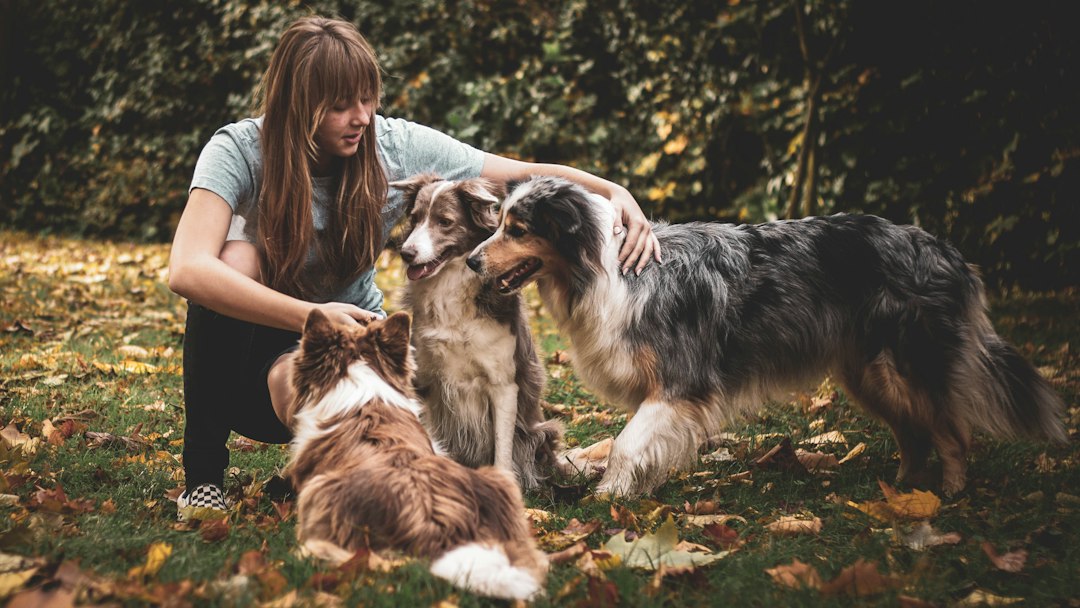
If you want a clear, compassionate playbook for responsible dog breeding, this guide is designed to help you plan well, care well, and place well. It focuses on welfare first and on practical steps you can take today. Whether you hope to raise a single carefully planned litter or you manage a small hobby program, you will find checklists, timelines, and a framework you can adapt to your breed and local regulations. For additional context and related resources, visit Goan Homes, where you can explore more material on pet breeding and home care topics.
What responsible dog breeding really means
Responsible dog breeding is bigger than pedigrees and ribbons. At its core, it is about stewardship: doing what is best for the dogs you keep and the puppies you produce, not only while they live with you but for their whole lives. That stewardship shows up in the choices you make long before a mating, the conditions you provide during pregnancy and whelping, and the support you offer to every puppy home for years.
Day to day, the idea translates into three anchors that guide decisions when choices are not obvious:
- Welfare first: sound bodies, stable temperaments, safe environments, and humane handling at every stage.
- Honest selection: pairing dogs that complement each other in health, structure, and temperament, based on data and observation rather than wishful thinking.
- Accountability: carefully screening homes, using fair contracts, and remaining available when questions or problems arise.
Responsible practice does not require perfection. It asks for informed choices, transparent communication, and steady improvement. It also requires situational awareness. If your time, space, or finances are stretched, the responsible decision may be to pause and plan rather than press ahead. With a clear program plan, you can align your schedule, your dogs’ needs, and your resources so that each litter receives calm attention and high-quality care.
Finally, responsible programs consider breed impact. Every pairing says something about the direction of a breed’s future. Breeding from dogs who demonstrate soundness, versatility, and stable temperaments—and retiring those who fall short of those goals—helps maintain healthy diversity and a good reputation for your line and your breed.
Law, ethics, and program policy
Legal requirements vary by region. Your city may have kennel licensing, zoning rules, sales disclosures, transport restrictions, and record-keeping mandates. Your state or province may require inspections or seller statements. Start by calling your local animal control office or agriculture department to confirm what applies to you, then calendar renewal dates so permits stay current.
Ethical practice reaches beyond legal minimums. Draft a short written policy for your program and review it twice a year. This document, whether it is two pages or ten, becomes your north star when schedule pressure or excitement nudges you to cut corners. It should describe:
- How many dogs you keep on site, the roles each dog has, and a realistic plan for exercise and enrichment.
- The maximum number of litters you will raise annually and the help you can call on during busy periods.
- Rehoming commitments for any dog you bred, including a standing offer to take a dog back if an owner’s circumstances change.
- A transparency policy: photos of living spaces, a summary of health screenings, and frank notes about breed quirks and needs.
Post a simple hygiene plan in your kennel area: daily spot cleaning, weekly deep cleans, and laundering schedules for whelping and puppy linens. Add a written emergency binder with contact information for your primary veterinarian, a 24-hour clinic, and two backup caregivers who can step in if you are unexpectedly away. Practice drills help: walk a friend through your setup so they could follow your instructions if needed.
Public communication matters too. Outline your expectations for prospective puppy buyers online: what information you will provide, which questions you ask, and how your matching process works. An informed buyer is more likely to be a good long-term home. Clear policies also reduce misunderstandings, which supports smoother placements and better outcomes for dogs and people alike.
Choosing breeding dogs: temperament, structure, and genetic background
Selection is where your values meet your plans. Think of each candidate as a bundle of traits: temperament, structure, health background, and performance or work aptitude. Decisions are easier when you translate those traits into plain-language goals: “We want calm, people-friendly dogs with moderate energy,” or “We aim for confident, biddable dogs capable of both family life and sport.”
Temperament comes first. A stable adult who recovers quickly from startle, accepts handling, and enjoys people is a foundation dog. Observe candidates in different settings: a farmer’s market, a quiet park, a new training class. Use a simple 0–5 scale for sociability, reactivity, and resilience after novel challenges. Ask neutral handlers to evaluate. When observations come from multiple days and places, you reduce the impact of one-off quirks and get a truer picture of the dog.
Structure matters because structure influences ease of movement and long-term comfort. Learn your breed’s standard and the functional reasons behind its features. Study movement videos at a walk and trot on varied surfaces. Ask an experienced breeder, judge, or sports trainer for a gait assessment. If your breed club offers a functional assessment—carting tests, herding instinct evaluations, water work—use those results alongside show or sport credentials. Function helps guard against breeding purely for looks.
Genetics is where data helps most. Build a family map with three generations of relatives and note ages, known conditions, and causes of death when known. Ask for copies of health screening results from both sides. Look for patterns over time, not single anecdotes, and weigh the impact of each trait on daily life. It may be realistic to accept a minor cosmetic fault to gain excellent hips and a steady temperament. Your notes become a living document; update them after each litter’s follow-up so your next choices are better informed.
Write a short pairing rationale for each proposed mating. Include three traits you hope to strengthen, two you will protect, and one risk you will monitor. This small habit trains you to think critically and gives buyers confidence that your choices have a clear purpose.
Health screening and veterinary collaboration
A thoughtful screening plan supports long-term wellbeing for breeding dogs and puppies. Work with your veterinarian and, where applicable, your national breed club’s recommendations. In many breeds, this includes orthopedic evaluations (for example, radiographs for hips and elbows), eye examinations by a certified specialist, cardiac evaluations, and breed-specific DNA tests. The aim is not to chase perfect scores, but to understand each dog’s profile so you can make informed pairings and set honest expectations with buyers.
Consider three practical principles when designing your screening plan:
- Follow age windows so results are meaningful for adults, not just adolescents. Repeat screenings at intervals chosen with your veterinarian when they provide useful trend information.
- Use the same laboratory for repeat DNA tests to keep results consistent in format and interpretation. Keep copies of lab reports with clear notes on inheritance patterns and what those results mean for pairings.
- If a responsible pairing includes a known variant, pair it with a clear-tested mate so the litter’s expected risk profile remains low. Discuss the plan with your veterinarian so you can explain implications to puppy homes in plain language.
Screening also guides puppy follow-up. If your breed is prone to orthopedic strain during rapid growth, include an activity guideline in your puppy packet: soft surfaces for early play, ramps or low steps instead of jumps, and short, varied outings rather than repetitive high-impact play. Your guidance helps owners support growth without overdoing it, which can lower the chance of avoidable strain.
Finally, cultivate an ongoing relationship with your veterinary team. Share your program goals, ask for practical advice tailored to your facilities and breed, and keep records organized so staff can access histories quickly. Mutual respect and good preparation make appointments calmer and more productive for everyone.
Reproductive timing, heat cycles, and stud selection
Good timing supports smoother pregnancies and calmer whelpings. Track heat cycles with a calendar and simple charts; note dates, behaviors, appetite changes, and any unusual signs. Your notes help you spot patterns across cycles and make better decisions in future seasons. If advised by your veterinarian, use progesterone testing to help identify an optimal breeding window; accurate timing can reduce repeat attempts and long travel.
Stud selection blends art and science. Beyond pedigrees, ask what the dog reliably passes on. Study multiple litters, not just highlight photos. Talk to owners or co-breeders about temperament and trainability. Even a handsome dog is not the right fit if he consistently produces traits that conflict with your goals. Make a simple chart for each stud you consider, listing three contributions he can bring and two traits you must protect in your line.
Logistics matter too. Confirm the stud owner’s terms, communication style, and support. Clarify fees, repeat arrangements, and any expectations about co-ownership or retained breeding rights. If shipping chilled semen, practice your shipping routine with non-critical supplies first so you are familiar with timing and packaging. Preparation lowers stress during the real thing.
Write a brief mating plan in plain language. Include the reason for the pairing, the health and temperament rationale, and the top three goals for the litter. Share the plan with any co-owners and keep it in your litter file. A written plan keeps you focused and provides context when discussing the litter with buyers later on.
Whelping environment, equipment, and risk awareness
Create a calm, temperature-stable, and hygienic whelping space at least two weeks before the due window. The area should be draft-free, easy to sanitize, and away from busy household traffic. Many breeders use a whelping box with pig rails to reduce the chance of accidental overlay and a washable, grippy surface for traction. Introduce the bitch to the space early so it feels familiar and safe. Feed and rest routines should be predictable and quiet.
Prepare a practical whelping kit and stage it where you can reach everything with one hand. Label containers so a helper can assist without asking where items live. A sample list:
- Whelping box with rails and washable pads; extra pads staged, clean and dry
- Clean towels, disposable underpads, and a lined laundry bin for soiled linens
- Digital thermometer, small scale (grams), notebook or tablet for logging, and a clock with a large face
- Blunt scissors, hemostats, unscented floss or clamps, and sterile lubricant
- Nasal aspirator bulb, supervised heat source with temperature controls, and a backup power option
- High-calorie snacks and water for the dam; your vet’s daytime and after-hours numbers printed and taped inside the kit
Make a simple decision chart with time thresholds for seeking veterinary help. Examples include prolonged stage I without progress, a gap between puppies that exceeds your veterinarian’s advised limit, unusual discharge without pup production, or a puppy who is not breathing effectively after basic stimulation. Preparing the chart in advance lowers stress when every minute matters and helps you communicate clearly with helpers.
After whelping, keep the area draft-free and quietly lit at night. Change linens regularly, wipe down rails and surfaces daily, and check temperature and humidity with a reliable gauge. Calm routines reduce excitability in the dam, which supports nursing and maternal behavior.
Neonatal care: the first three weeks
The first 21 days are quiet but critical. Puppies cannot regulate temperature well, cannot see, and rely on the dam for everything. Your job is to support the dam, monitor the puppies, and keep the environment clean and calm. A predictable rhythm helps everyone relax.
Weigh each puppy at the same time daily for the first two weeks and log gains. Steady gains indicate adequate intake and overall thriving. A puppy who fails to gain for more than a day deserves attention; early, gentle support such as supervised supplemental feeding, when appropriate under veterinary guidance, can make a difference without excessive handling. Make short notes about each pup’s nursing behavior so patterns are easier to catch.
Keep the nest comfortably warm and dry. Use your forearm as a quick human check for surface warmth and a reliable thermometer for the environment. Avoid hot spots by placing heat sources outside the box and directing warmth across a corner rather than straight onto puppies. Rotate linens to keep the surface dry and grippy. Trim the dam’s nails and tidy long belly hair so pups can access teats easily and safely.
In the first week, limit visitors and reduce noise. Speak softly, move slowly, and minimize disruptions. When a puppy seems lethargic, getting colder, or consistently struggles to latch, contact your veterinary team for guidance. Simple adjustments—warming, supervised supplemental feeding, or adjusting positioning—may help. Keep notes so you can report changes and outcomes accurately if you seek advice.
By week three, eyes open, hearing improves, and pups begin wobbling. At this point, short, gentle handling sessions can begin. A few seconds of cradling, touching paws and ears, and placing pups briefly on varied soft textures introduces the idea that new experiences can be safe. Keep sessions brief and end on success.
Socialization and early training: weeks 3–12
From three to twelve weeks, puppies move from quiet sponges to active explorers. Your job is to shape positive learning without flooding them with too much, too fast. A structured plan builds curiosity, resilience, and polite manners. Think of socialization as “quality over quantity”: a few calm, well-managed exposures each day are better than chaotic marathons.
Weeks 3–4: Start gentle handling routines and very short, low-intensity novel experiences. Offer different textures underfoot—rubber mats, short-pile carpet squares, light crinkle mats—paired with soft household sounds like a kettle or a distant vacuum. Invite one or two calm human visitors who follow your handling rules. Keep sessions under a few minutes and end while all pups are still relaxed.
Weeks 4–5: Introduce litter boxes with low sides, shallow water bowls, and easy puzzle feeders. Play short “follow me” games around a safe pen. Pair desired behaviors with a soft marker word and a tiny food reward when appropriate. Let pups explore a safe pen with tunnels, wobble boards set to minimal tilt, and stable, low platforms. Crate doors can be propped open so curious pups wander in and out during play.
Weeks 5–6: Add crate-and-gate stations for micro-naps, brief separations, and one-on-one time. Present friendly, dog-savvy adult visitors who follow your handling rules. Practice name recognition and a gentle recall indoors by calling a pup to a person who is kneeling, rewarding calm arrivals with praise. Keep sessions very short; the goal is happy practice, not precision.
Weeks 6–8: Expand sound libraries and novel objects: rolling carts, umbrellas, gentle clattering pans placed at a distance, and soft music. Begin car rides with comfy bedding and a helper. Introduce short leash sessions in a quiet hallway. Teach polite waiting for bowls and short “settle on a mat” moments. Continue crate time as peaceful rests, not punishment. Schedule brief field trips to a safe backyard or a friend’s quiet patio when local guidance and safe practices allow.
Weeks 8–12: Coordinate with new owners to continue low-stress exposure. Encourage families to enroll in a reputable puppy class that emphasizes calm learning and clean handling. Share your socialization checklist so new owners can continue the rhythm without guessing. Provide short written guides for common routines: house training patterns, gradual alone-time practice, gentle car rides, and calm greetings with visitors.
Matching homes, contracts, and lifetime support
Placement choices ripple for years. Screen seriously and kindly. Start with a written questionnaire, then a phone or video call. Ask about daily schedules, long-term plans, other animals, yard and fence setups, breed experience, and the real reason they want this breed. Encourage applicants to meet adult dogs of your breed before committing; puppy cuteness fades, adult traits remain.
Create a simple matching toolkit:
- Temperament snapshots for each puppy at seven to eight weeks that describe energy level, sociability, startle recovery, and work/play preferences.
- An owner profile matrix (active runner, gentle family with toddlers, retired couple who travel in an RV) to pair with puppy snapshots.
- A home readiness checklist: puppy-safe zones, crate size, feeding and sleep plan, and first-week schedule.
Contracts should be clear, fair, and readable. Define pet versus breeding homes, list what health information you are providing, explain your spay or neuter expectations as advised by a veterinarian, outline your return policy, and describe the support you provide after the sale. Keep legal language professional but accessible; aim for informed consent, not intimidation.
Offer lifetime support cheerfully. Invite buyers to text a question before small problems become big frustrations. Provide a short resource list for training help, reputable groomers, and local clubs. The more you invest in good communication, the more likely owners are to reach out early when they hit a bump, which supports better outcomes for the dogs you bred.
Recordkeeping, budgeting, and sustainable operations
Good records make good programs. Keep digital and paper copies of pedigrees, screening results, mating notes, whelping logs, and puppy files. Use a cloud folder with a clear naming convention so co-owners and veterinarians can access what they need quickly. Back up files monthly and test your backups twice a year. A tidy system makes every future task easier.
Plan the financial side with clear eyes. Responsible breeding has real costs: health evaluations, stud fees, veterinary care, food, equipment, cleaning supplies, registration paperwork, microchips, and owner packets. Build a simple budget for each planned litter and add a contingency line for unexpected expenses. Sustainable operations rely on honest pricing that reflects the care you put into each puppy and the long-term support you provide.
Adopt a few basic business habits to keep stress low:
- Use a separate account for your breeding program to simplify tracking and taxes.
- Save receipts and use simple bookkeeping software or a spreadsheet for income and expenses.
- Schedule quarterly reviews of costs and adjust your pricing and litter frequency to stay sustainable without overextending your dogs or yourself.
Finally, consider how your time and energy ebb and flow across the year. Place litters in months when your household is calm and your work obligations are lighter. If you plan more than one litter, map their timelines so critical periods—late pregnancy, whelping, weeks 3–6, and placement windows—do not collide with major family or work events.
Troubleshooting and professional support
Even with excellent preparation, surprises occur. What sets responsible breeders apart is calm observation, timely decisions, and a willingness to seek expert help. Create a shortlist of professionals: your primary veterinarian, an after-hours clinic, a reproductive specialist if accessible, and an experienced mentor who picks up the phone. Keep their numbers in your phone and on paper in your whelping room.
Examples of situations that call for professional guidance include:
- Late-stage pregnancy with unusual behavior, visible distress, or discharge that does not match what you have seen before in your dog at that time.
- Whelping pauses that exceed your veterinarian’s advised window, or signs of fatigue in the dam without progress.
- Newborns who fail to gain for more than a day, who consistently fall behind littermates, or who appear weak and are not responsive to gentle warming and nursing support.
- Postpartum concerns such as unusual odor, persistent discomfort, or a dam who seems disinterested in the litter despite a previously maternal temperament.
Seek help early. Early calls often lead to simpler adjustments and calmer outcomes. Keep notes from any guidance you receive so you can update your protocols for the next litter and share lessons with your mentor network. Over time, your playbook becomes a collection of lived wisdom that supports better decision-making under pressure.
Facility routines and seasonal checklists
Responsible programs run on routines. A few checklists—by season and by lifecycle stage—keep small tasks from growing into big problems. Review them at the start of each quarter and after each litter, and adjust based on what you learned.
Quarterly facility and care checklist:
- Inspect fences, gates, and latches; fix issues immediately and add reminders for parts ordered.
- Deep-clean crates, travel kennels, whelping equipment, and puppy pens; replace worn bedding and broken clips.
- Evaluate body condition scores and adjust nutrition or exercise plans to support ideal condition for the next season’s activities.
- Refresh first-aid supplies, restock towels and underpads, and check your scale and thermometer accuracy.
- Test smoke detectors and confirm your backup power plan works; note fuel or battery replacement dates.
Per-litter process checklist:
- Reconfirm veterinary contacts and after-hours plans two weeks before the due window; place numbers on a visible card in the whelping area.
- Set up the whelping area and stage your kit; label containers so helpers can assist confidently.
- Print puppy record sheets, “puppy passports,” and your new owner handbook for the litter’s breed-specific needs.
- Schedule puppy evaluation day (around seven to eight weeks) and home-matching calls with prospective owners.
- Prepare go-home packets: registration papers as applicable, microchip details, vaccination record summaries, diet and routine notes, and an introduction to your training and socialization plan.
Annual program review:
- Map the year’s litters against your personal calendar to avoid high-stress overlaps.
- Audit your code of ethics. Add or refine points that reflect what you learned this year; document changes and share them with co-owners.
- Update your website or information packet with current screening practices, photos of adult dogs in daily life, and frank notes about breed quirks that families should expect.
- Revisit your pricing and costs. If your inputs rose, adjust carefully and explain the value in your program materials so buyers understand what they are receiving.
These maintenance habits, while simple, create a resilient framework. They protect dogs, puppies, and people and make the entire experience smoother for everyone involved.
Pulling it together: a humane, realistic path forward
Breeding well is a craft. You learn by studying your breed’s history, by listening to mentors and veterinary professionals, by observing each dog honestly, and by adjusting your program with humility. You also learn by caring for the dogs in front of you: the dam who relaxes more with quiet music, the puppy who blossoms with short one-on-one sessions, the family who thrives when you provide clear routines and encouragement.
Use this guide as a map and add your own notes as you go: what worked, what surprised you, and where you want to learn more. Keep welfare at the center, keep records tidy, and keep building a network of ethical peers. Step by steady step, you will raise sound, confident puppies and support owners who appreciate the care behind them. That is the heart of a responsible, sustainable breeding program—and a legacy you can be proud of.